SUSTAINABILITY.

SUSTAINABILITY.

We design with intent, not excess.

In an industry increasingly driven by fast furniture and short-term thinking, we take a different approach: prioritising longevity, responsible materials, and circular design at every stage. With millions of furniture items discarded each year, we actively reduce waste by specifying durable products, reclaimed materials, and solutions built to last. Beautiful furniture should never come at the expense of our planet.

Our Environmental Actions.

Waste-Minimising Strategies

  • We offer second-hand furniture opportunities, cutting carbon emissions, lowering energy use and conserving natural resources.
  • We prioritise restoration services as opposed to discarding furniture so components can be repurposed and given a new lease of life.
  • We offer unwanted furniture to charities, schools, or partner with local recyclers to divert items from landfill.

Sustainable Material Choices

  • We prioritise reclaimed, FSC-certified, and recycled materials in all design proposals.
  • We avoid products with harmful finishes and hazardous substances, boosting indoor air quality and reducing ecological harm.


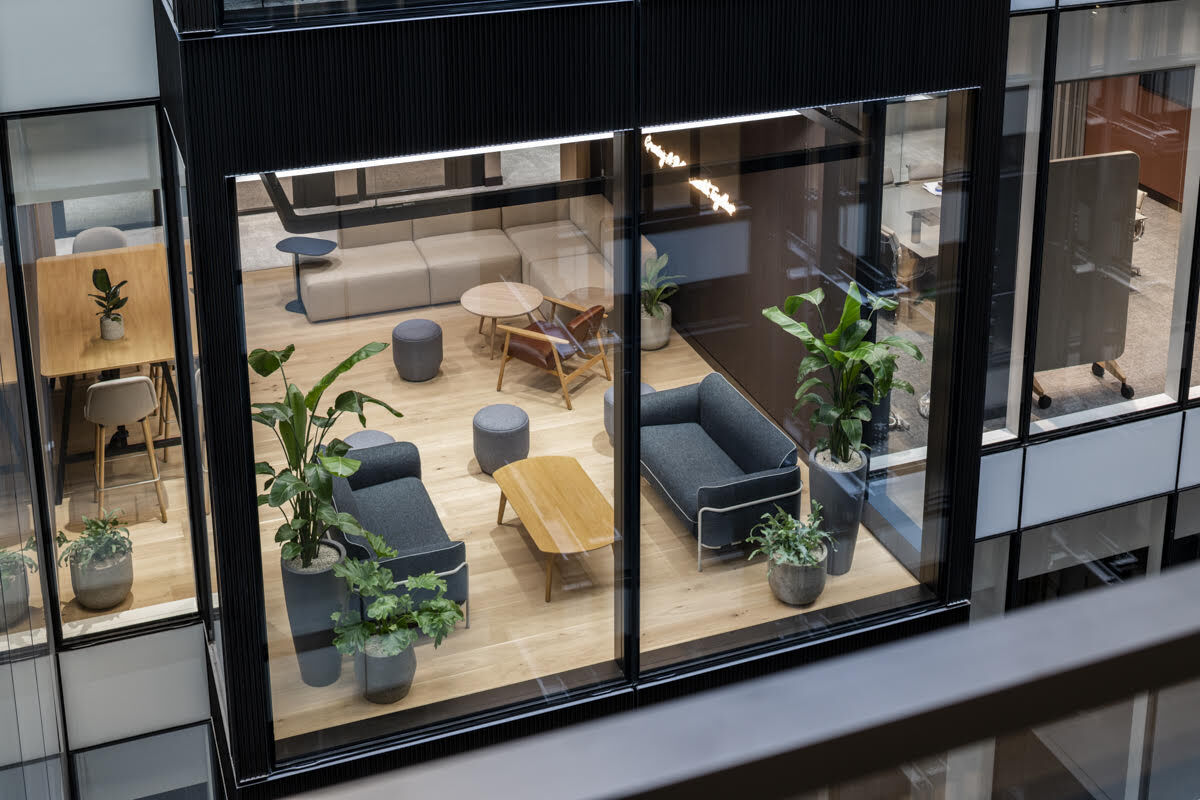
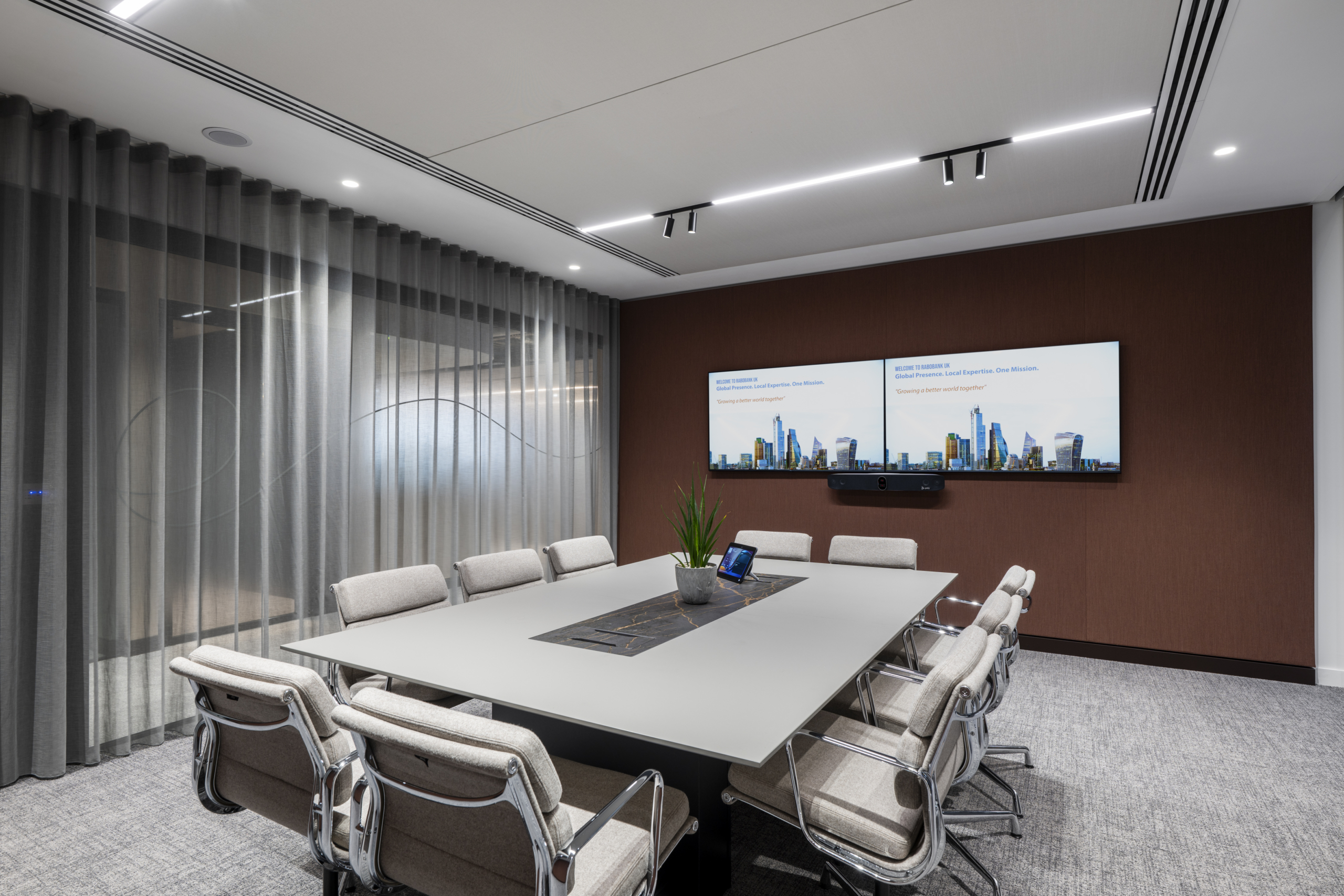
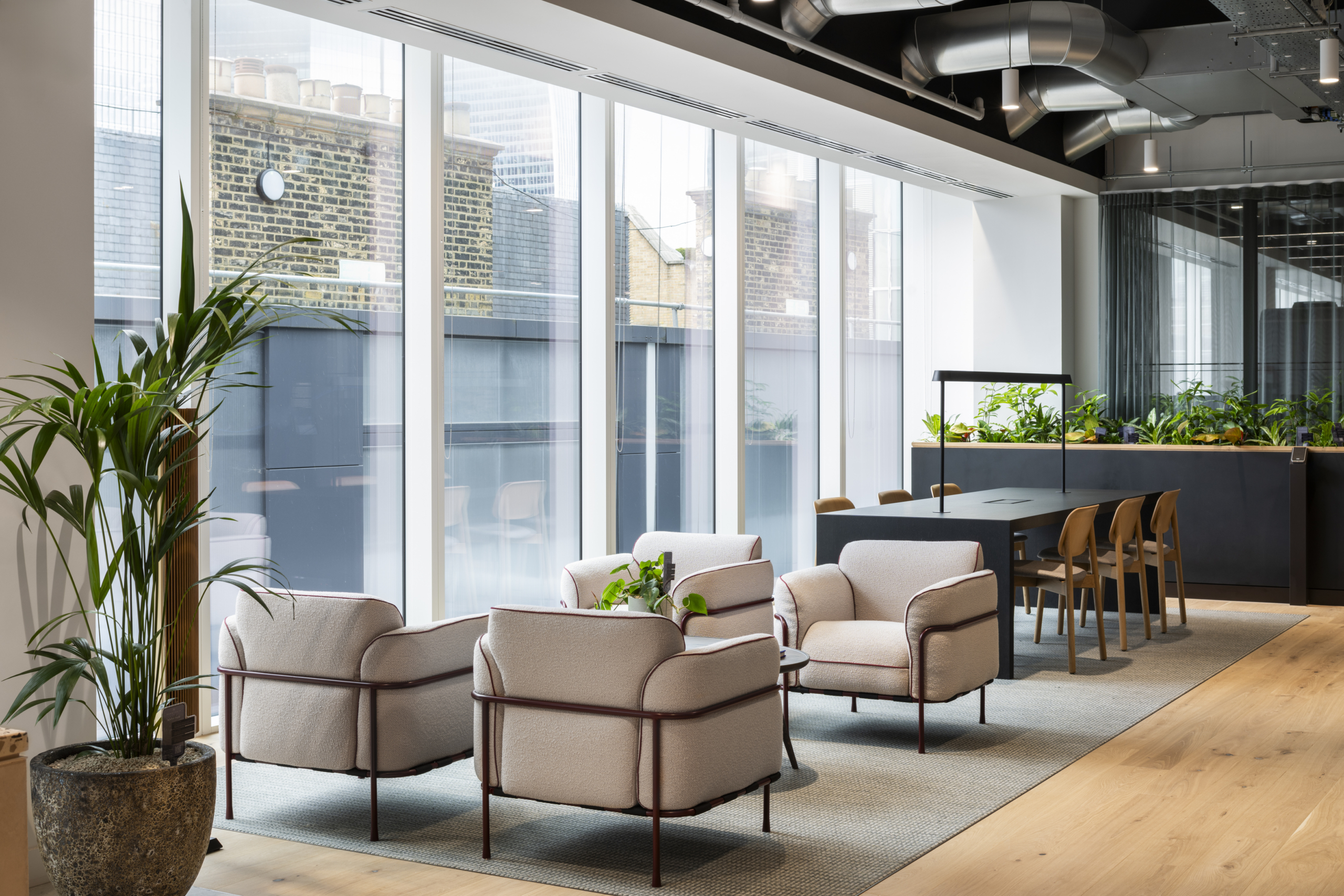
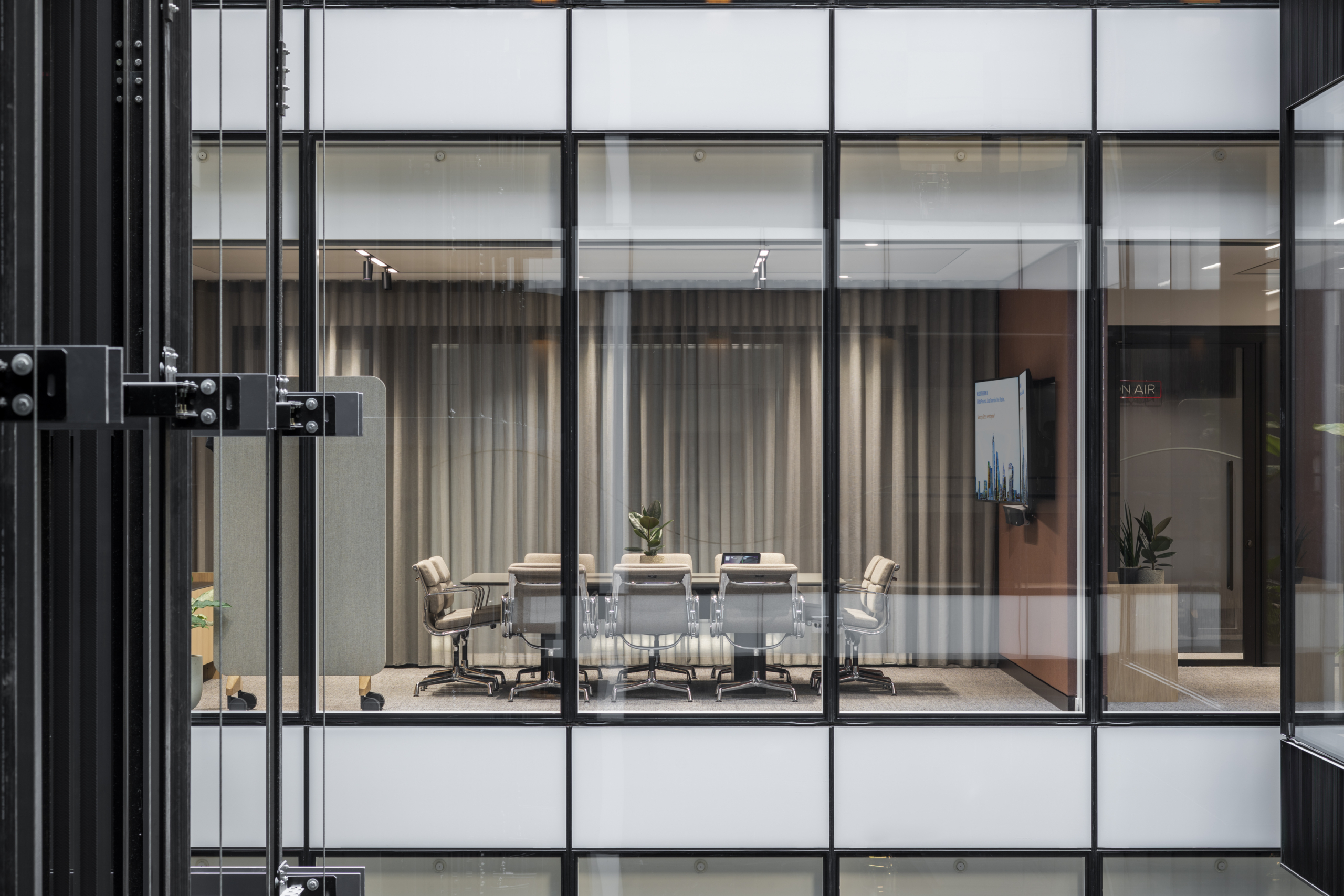
Sustainable Case Study: Rabobank

48,500 sq ft / Target: BREEAM Outstanding & WELL Platinum

Impact Snapshot

  • 100% diversion of strip-out and fit-out waste from landfill.
  • 41% of all furniture materials are composed of recycled materials.
  • 53% composition of recycled materials by mass across the whole development.
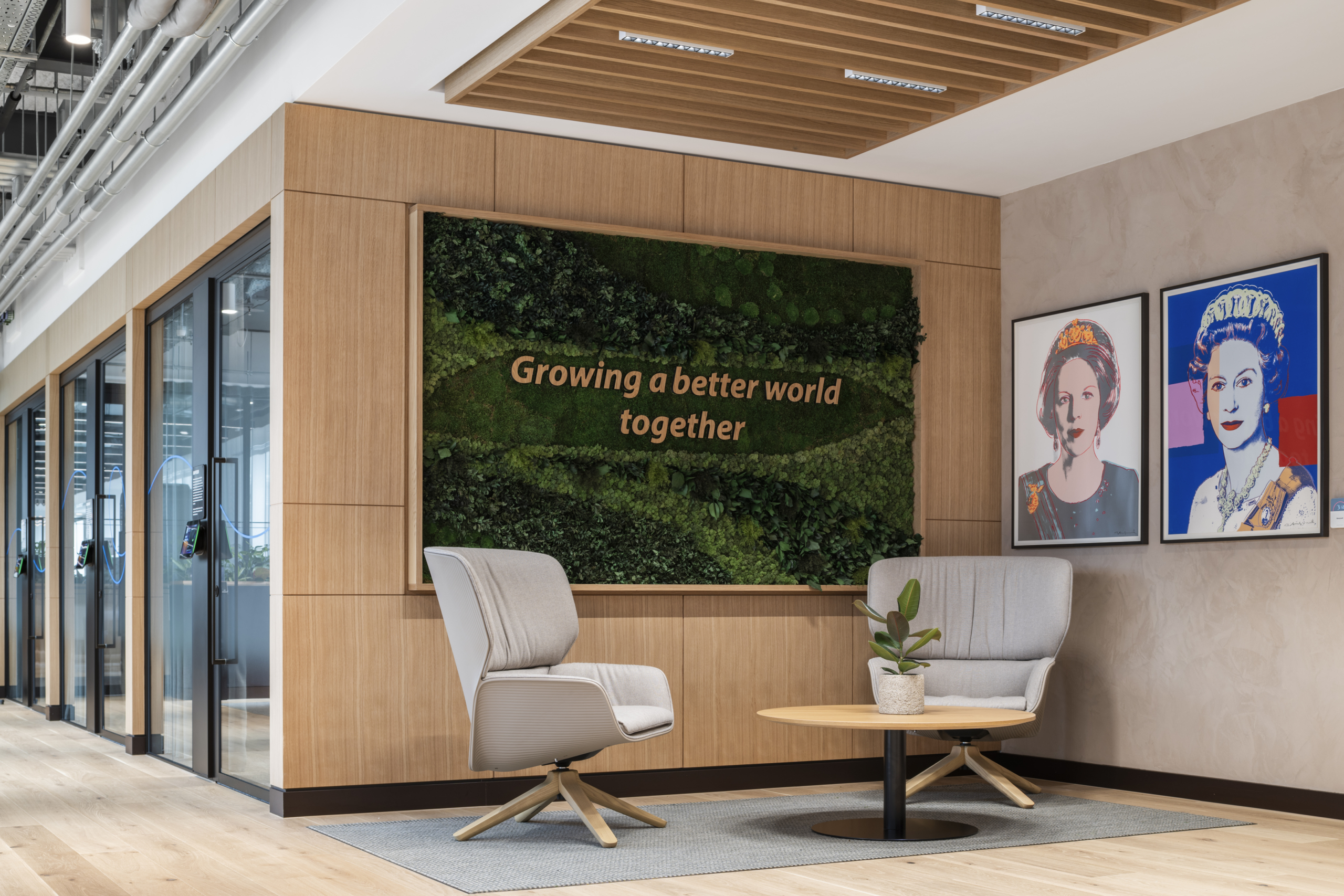
As Furniture Consultant, we collaborated with IDSR and Overbury on Rabobank’s new London headquarters at 60 London Wall, delivering a project firmly rooted in circular economy principles. From the outset, a comprehensive framework of Key Performance Indicators was established during the design phase, tailored to both the building typology and Rabobank’s ambitious sustainability objectives.

Working closely with Cundall, we supported the client in translating these targets into actionable outcomes. All materials and manufacturers were rigorously assessed and selected based on their capacity for reuse or repurposing, alongside the provision of take-back and closed-loop recycling schemes. More than 70 furniture items were carefully refurbished and repurposed from the previous company location, significantly reducing waste while extending material life within the new workplace. This approach ensured materials retained long-term value and remained embedded within the circular economy beyond first use.

At post-completion, the project successfully showed the effectiveness of this strategy, achieving high levels of resource efficiency, significant waste reduction, and maximised material circularity across the furniture and fit-out elements. The result is a future-ready workplace that demonstrates how sustainability, performance, and design excellence can be seamlessly integrated at scale.

Get in Touch
Contact us directly to see how we can help you.
Thank you for contacting us! We will be in touch to discuss your enquiry.
We respect your privacy. Your information is safe and will never be shared.
Don't miss out. Subscribe today.
×
×